The Modulation & Development of Performance Monitoring


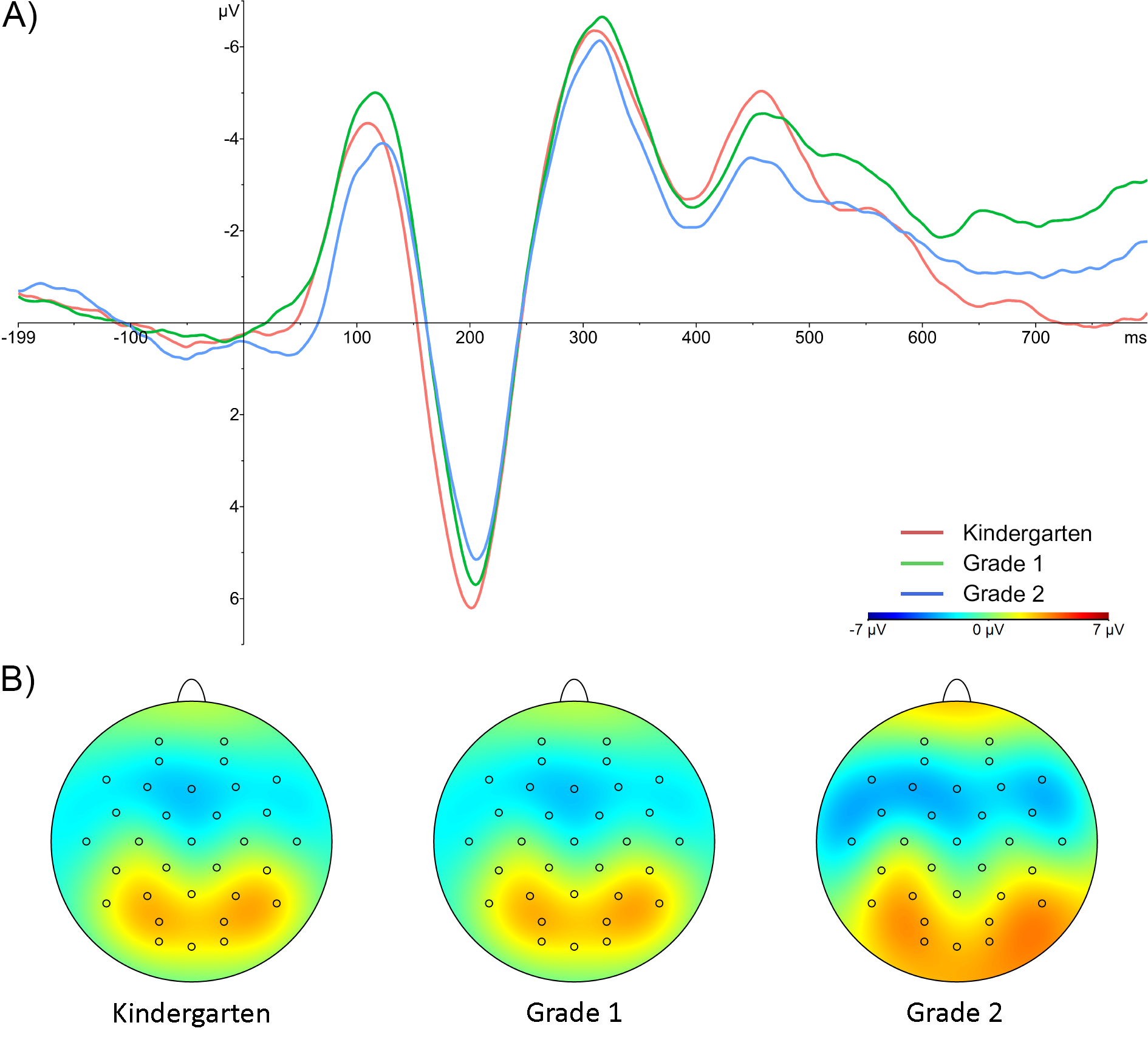

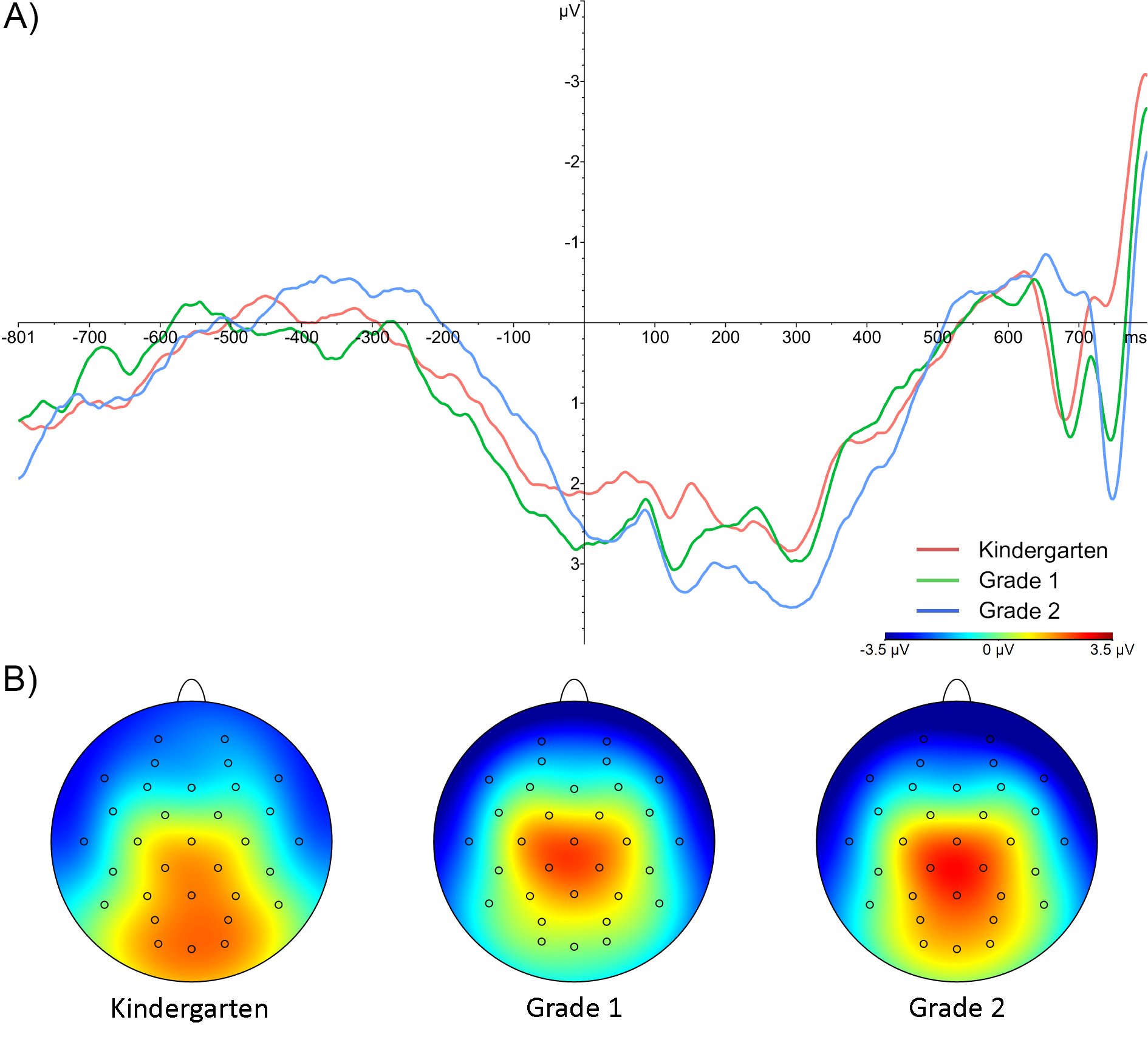
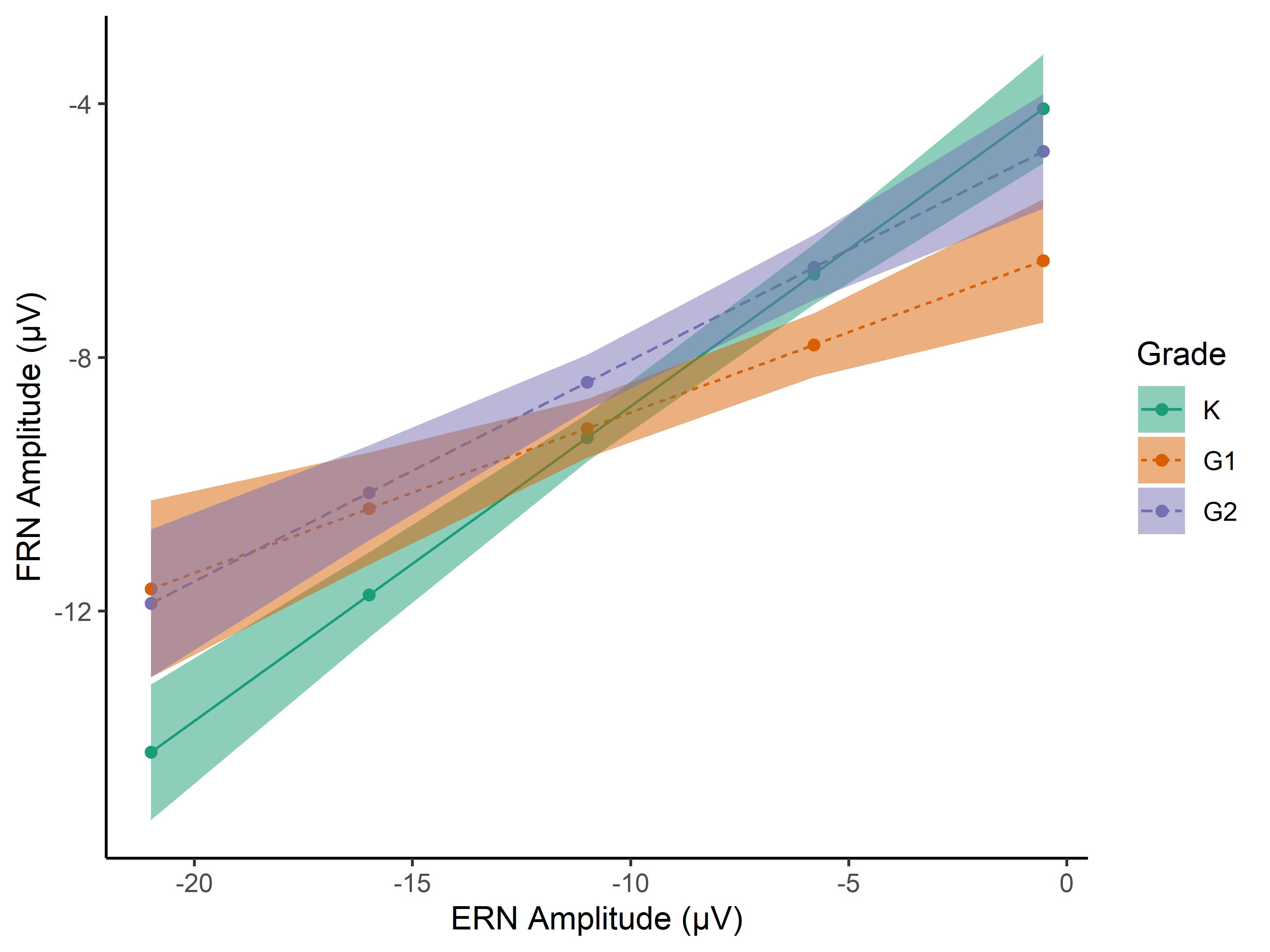
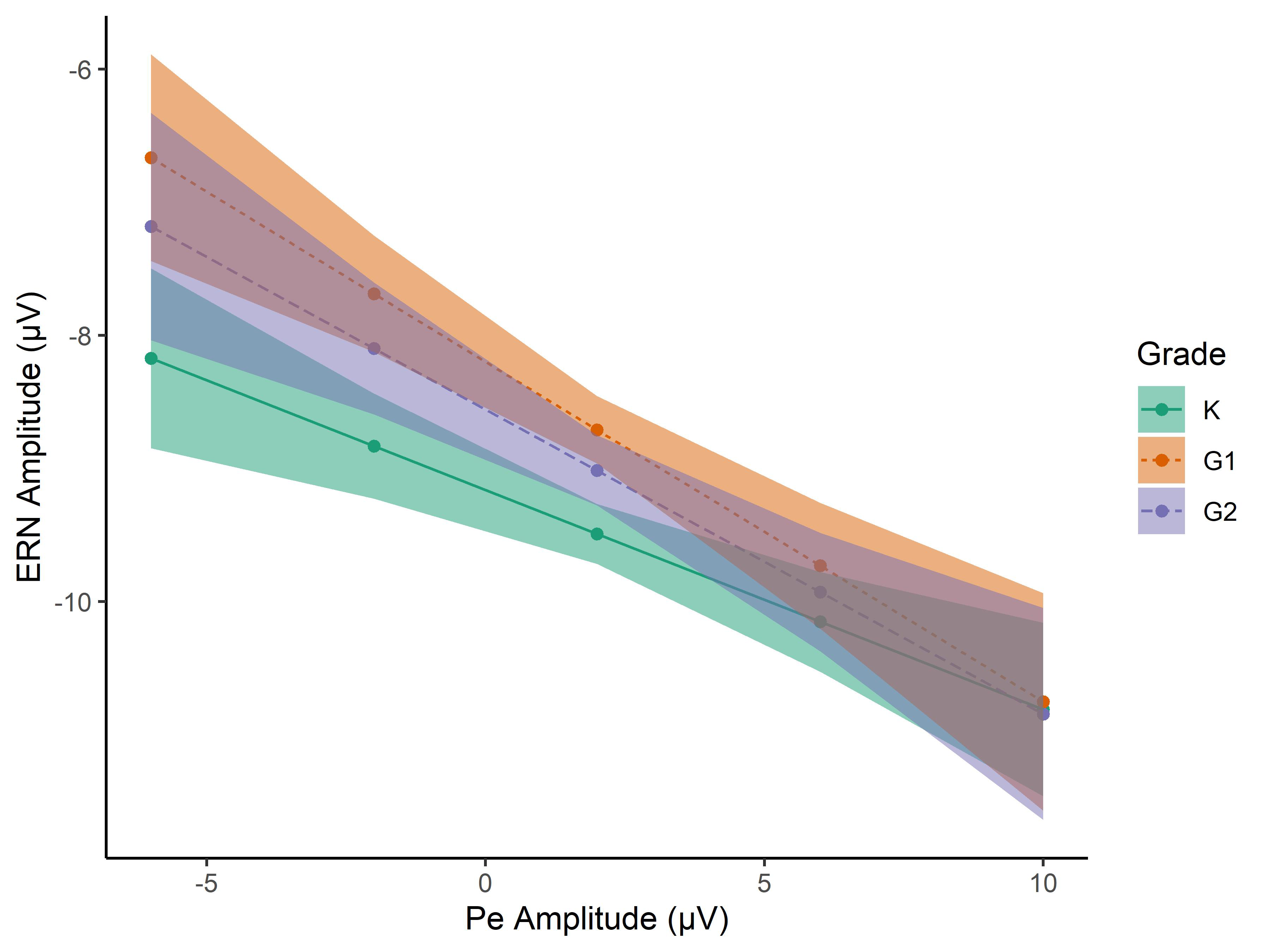
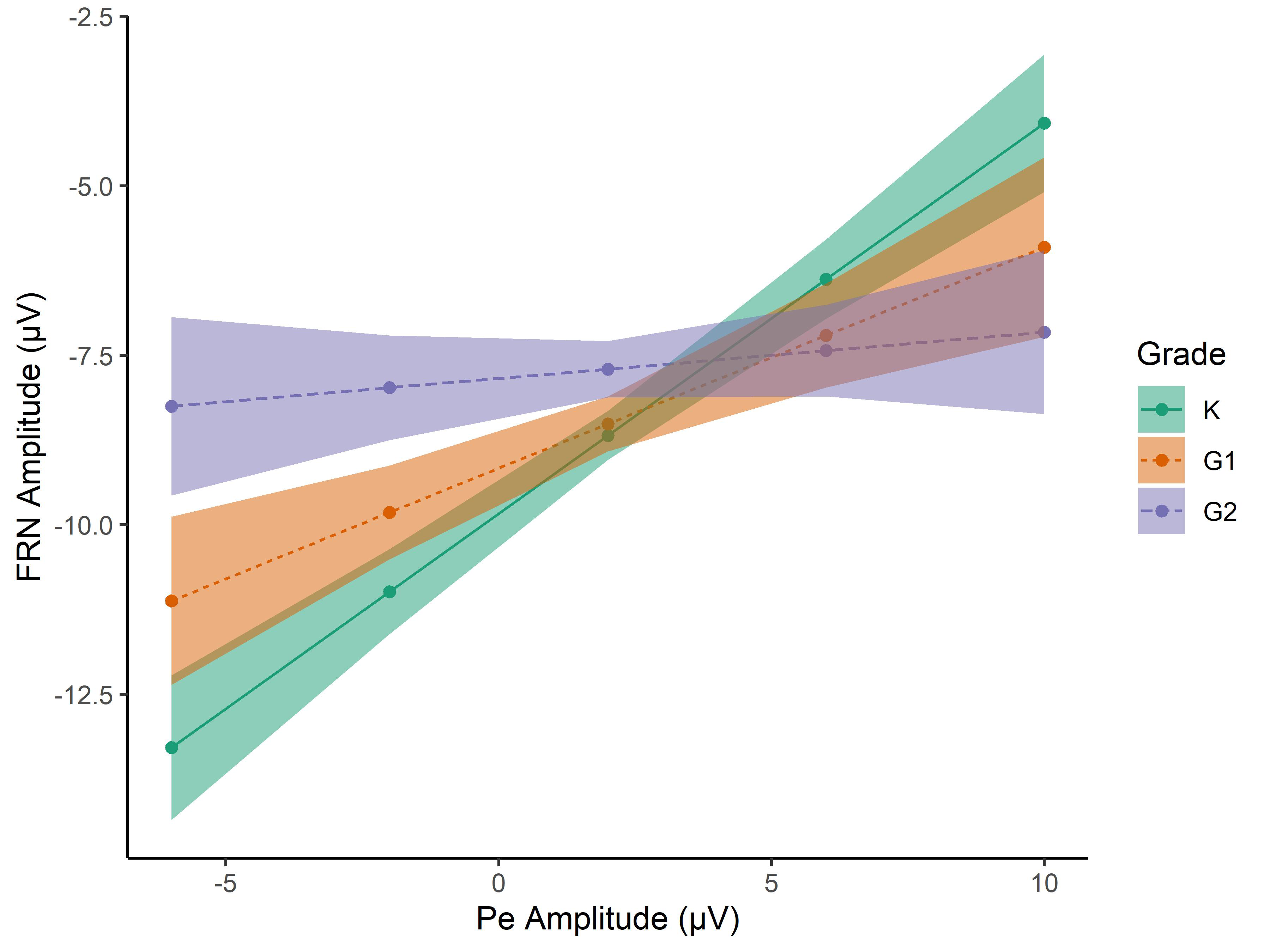
Performance monitoring processes (i.e., external feedback processing, internal error-monitoring, and conscious error recognition) form a dynamic system that is critical to learning and has been implicated in psychopathology. My research in this space has centered on using event-related potentials (ERPs) and started with a broad longitudinal examination of the development of these processes across middle childhood (Lees et al., 2021a). In this work I found that ERP indices of performance monitoring unexpectedly did not change in amplitude across middle childhood but their associations, i.e., the dynamics between processes, did. From these results and those of others, I postulated that performance monitoring processes may functionally support each other’s development and that the transition to adolescence may be a key developmental period for these processes. I also specifically examined the association between internal error-monitoring and motivational disposition in middle childhood (Lees et al., 2021b) finding that this relation is likely modulated by incentivization. Moreover, habituation may affect this modulation, and so, I postulated that experiential demand may, at least in part, drive the development of internal error monitoring and perhaps all performance monitoring processes. Finally, I recently examined how different stages of reward processing (a specific form of feedback processing) are independently and interactively associated with depressive symptoms. We observed that greater symptom scores were separately associated with reduced responsivity to reward and increased responsivity non-reward but only in female participants (Lees & Gatkze-Kopp, 2025). Thusly, this work suggests that experiential demand may drive the development of performance monitoring processes, and these functions can be moderated by context and individual differences, and so future work should them when evaluating performance monitoring.
Internalizing Symptoms and Depression and their Neural EEG-based Correlates
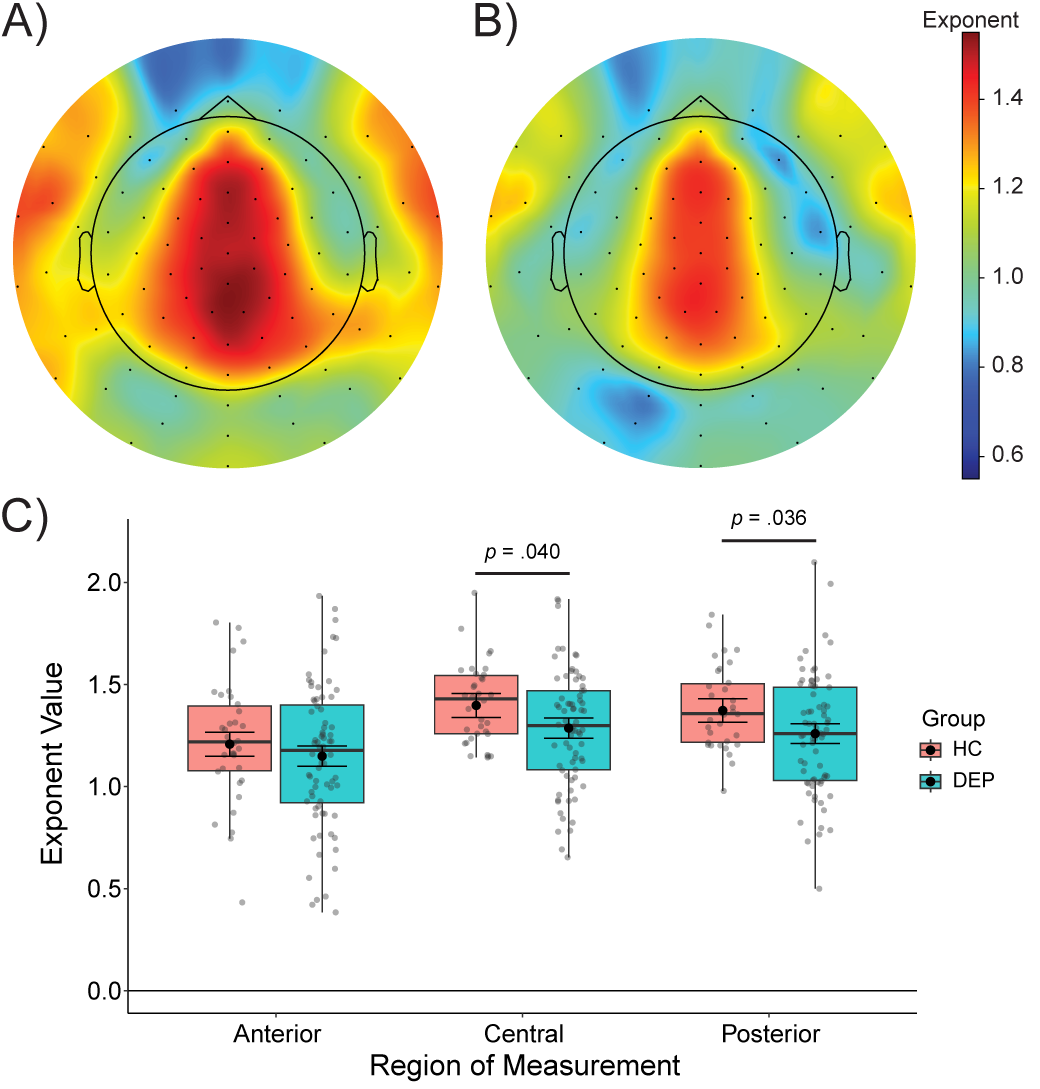
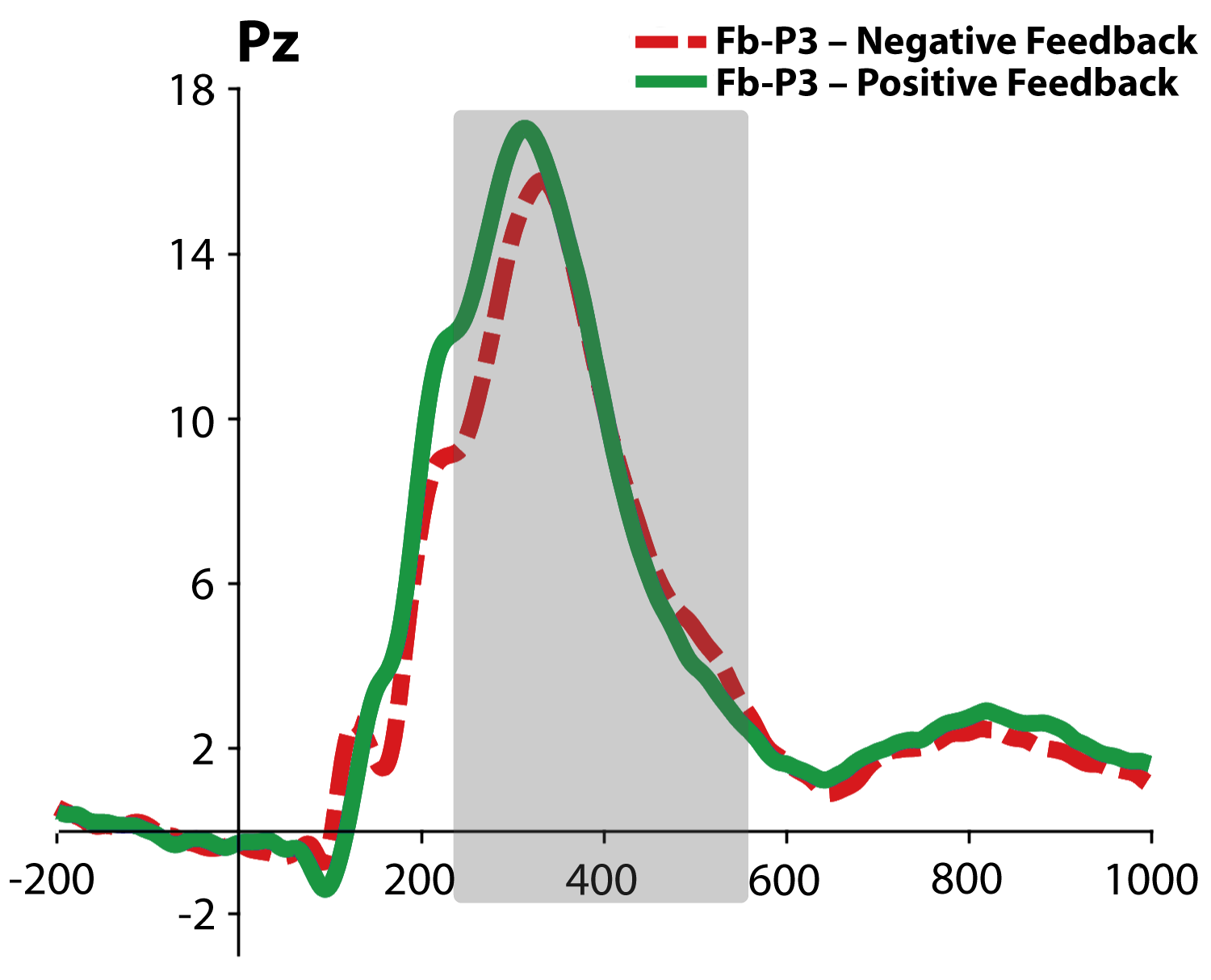
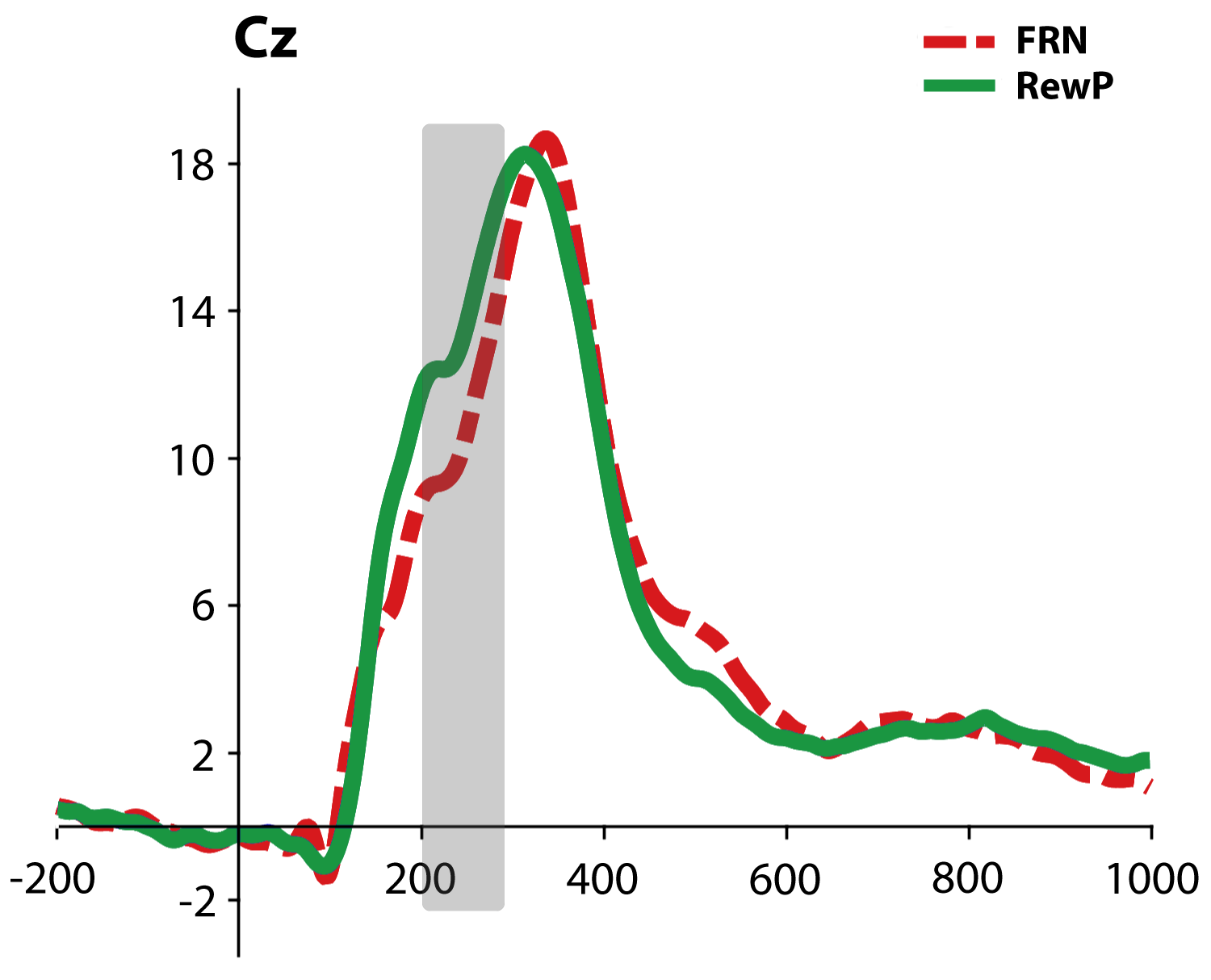
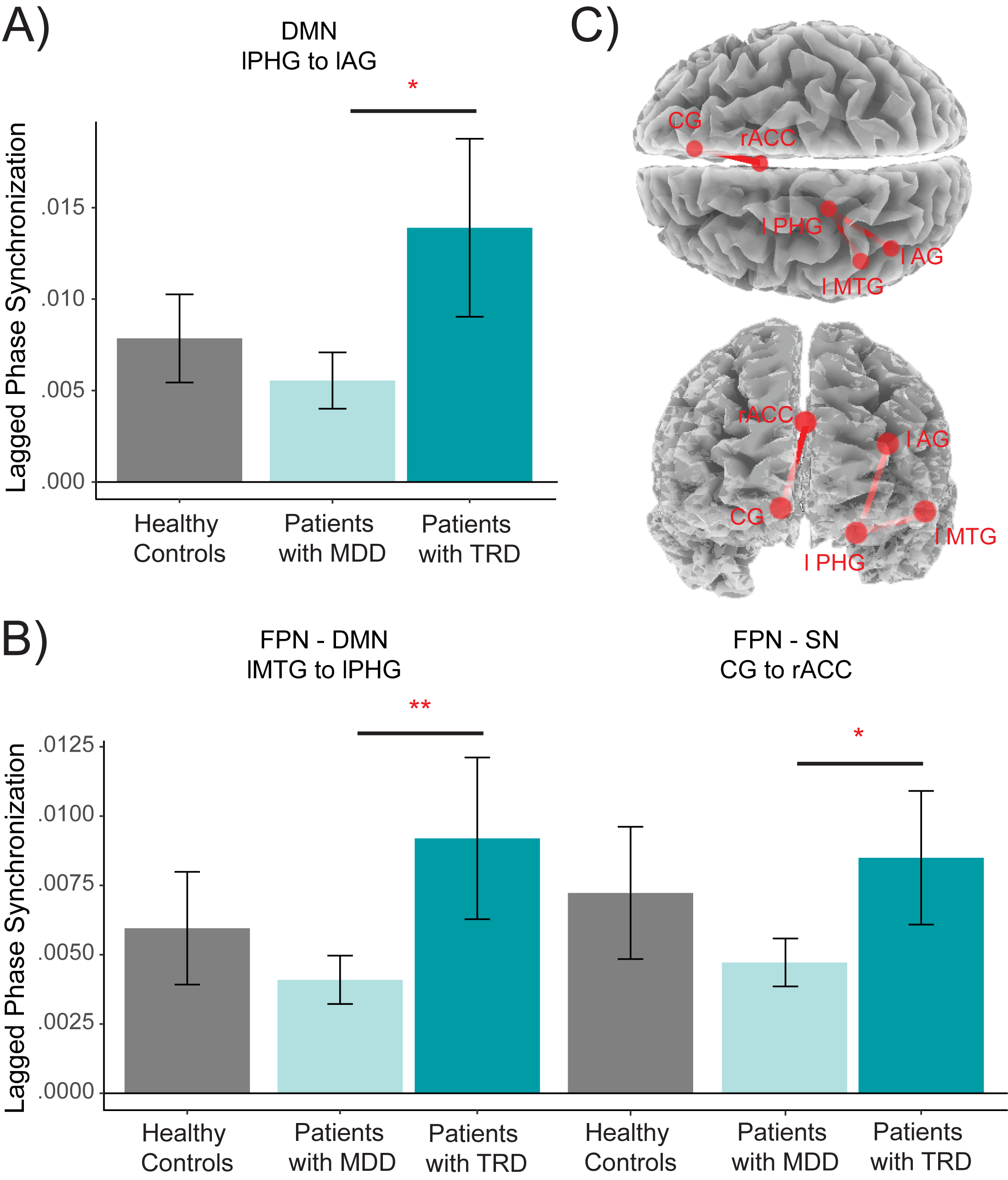
Turning a translational perspective to my interest in cognitive processes has seen my research expand into understanding neural changes associated with depression and depressive symptoms. Using a dimensional approach, I examined how different stages of reward processing (a specific form of feedback processing and aspect of performance monitoring) are independently and interactively associated with depressive symptoms. We observed that greater symptom scores were separately associated with reduced responsivity to reward and increased responsivity non-reward but only in female participants (Lees & Gatzke-Kopp, 2025). More recently, in two separate papers, we examined if/how clinical diagnostic status (i.e., controls vs. major depression vs. treatment-resistant depression) moderates EEG-based neural measures. In the first paper, we examined aperiodic neural activity as an index of excitatory and inhibitory neural signaling (Woronko et al., 2025). Our analysis found that both depressive status and depression chronicity were associated with reduced aperiodic activity and possibly inhibitory signaling. In the second paper, we examined EEG-based functional connectivity among the Defaultmode (DMN), Frontoparietal, and Salience networks and found that depression-related differences were confined to treatment-resistant participants (Lees et al., 2025); these participants exhibited enhanced high frequency connectivity within the DMN and between networks, and it’s possible that these changes underlying treatment resistance. Collectively, these studies highlight the multifaceted nature of the neural changes associated with depression, and present possible targets for research focused on the heterogeneity of experiencing depression.
Translational neurophysiological markers across species
Details coming soon.
Utilizing Electrophysiology to Predict Cognitive Performance and Psychophysiological States

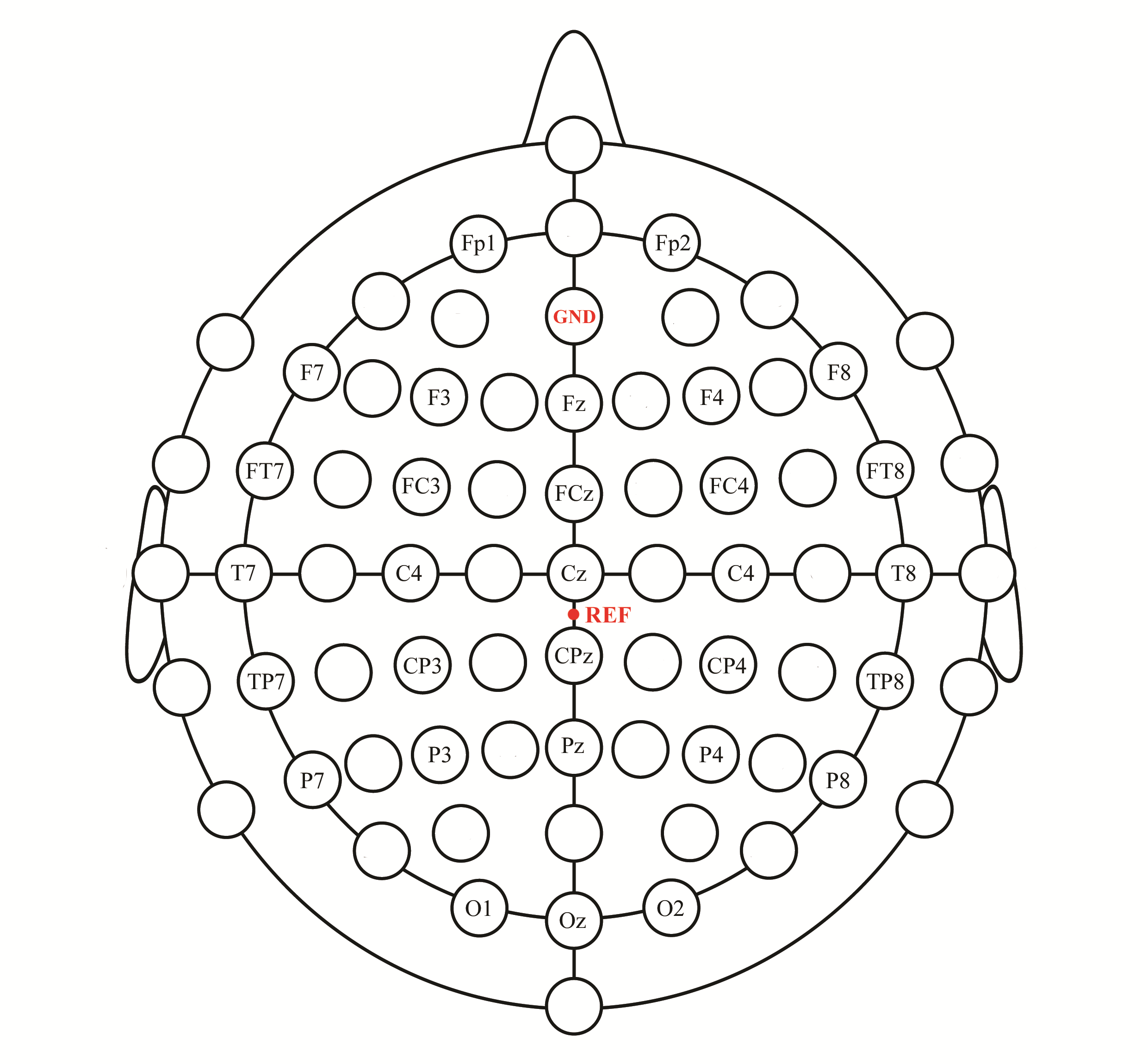
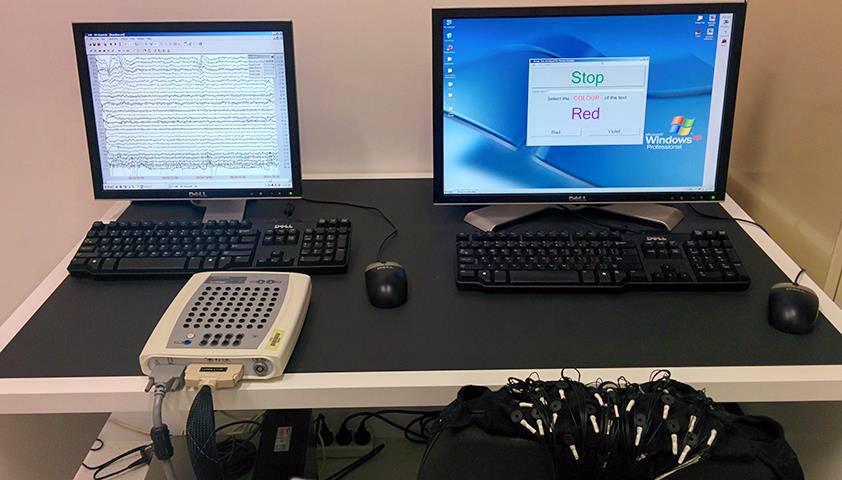
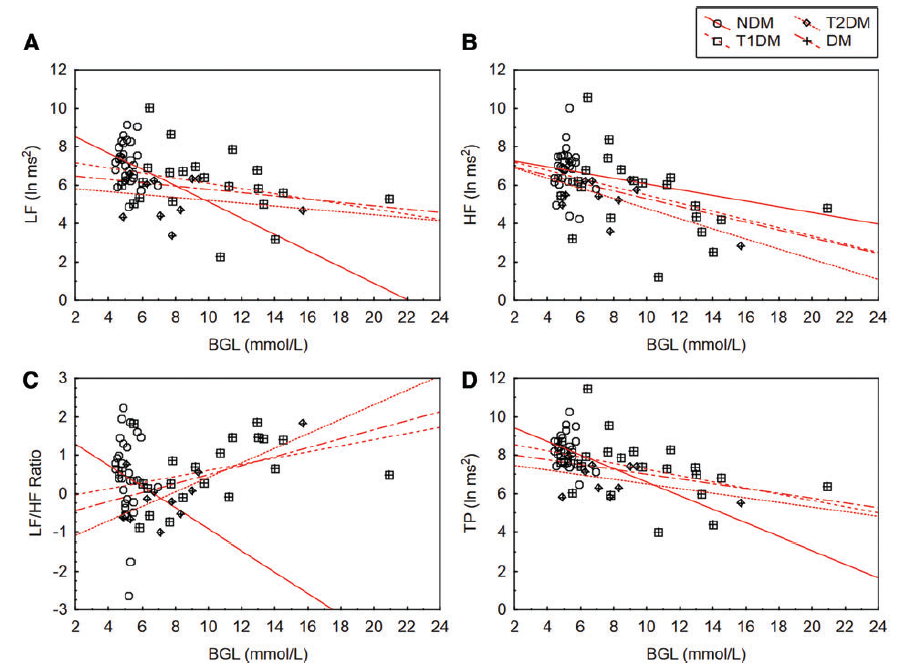
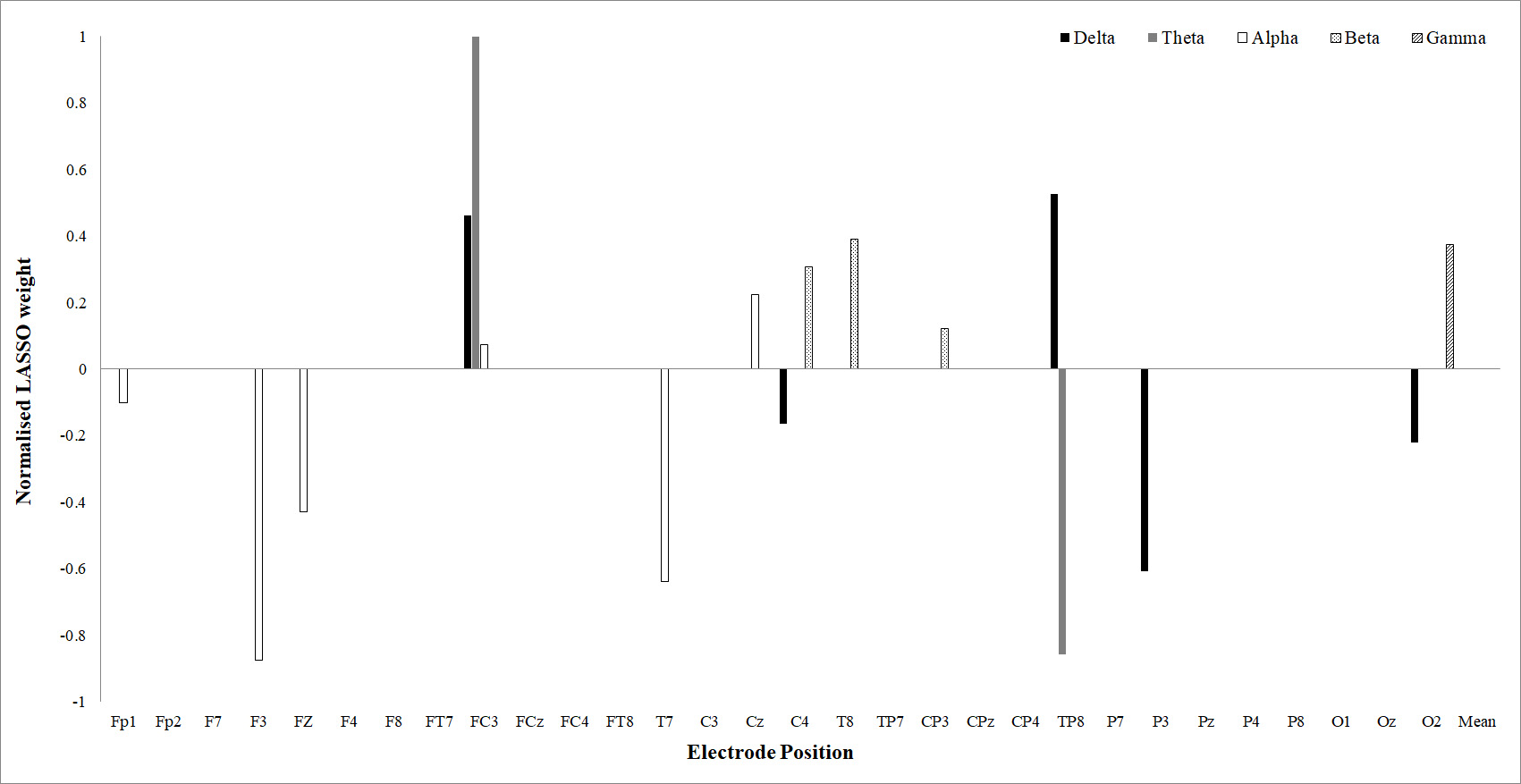
Traditionally, cognitive performance and psycho- and physiological states/parameters are diagnosed and/or examined using retrospective audits/assessments. However, more recently electrophysiological measures have been explored as forward and/or real-time predictors due to their continuous and dynamic nature. I started this research during my undergraduate honors program, because based on existing literature I was using EEG as a proxy for cognitive performance and wanted to confirm the association in my data. Using a frontocentral restricted EEG montage, I examined the association between frequency domain EEG data and measures of cognitive performance and observed that resting frontal beta activity predicted ‘global’ cognitive performance, while changes in other frequency bands predicted performance in more specific cognitive domains like memory (Lees et al., 2016). In my doctoral program I expanded this work by enlarging EEG montage and examining more posterior and lateral brain regions and found that the predictive capability of EEG was vastly improved by using unique combinations of parameters across the frequency bands. (Lees et al., 2020). These studies have implications for the real-time monitoring of cognitive performance and potentially the diagnoses of cognitive impairment. In a similar vein, as my doctoral program continued this research interest expanded and explored other industrially and medically relevant constructs like fatigue (Lees et al., 2018a), stroke (Lees et al., 2018b) and blood glucose concentration (Rothberg et al., 2016), and in all instances observed similar possibilities for the monitoring and/or prediction of the constructs of interest.
Negative mental States Amongst Nurses

Nursing as a profession is invariably stressful and includes numerous demands such as working with vulnerable populations, providing continuous care, and heavy workloads, that have all been shown to negatively affect cognitive performance as well as the quality of nursing and patient care. However, little research had directly examined the relationship between the individual experience of these states and a nurse’s cognitive performance. To rectify this, I started by exclusively exploring the cognitive impact of stress, finding that in contrast to previous comparable literature stress was not associated with cognitive impairment in nurses (Lees and Lal, 2017). This was followed by a second study using a cohort of nurses with a greater diversity of workplace locations and expanded to include Depression and Anxiety as other constructs of interest (Maharaj, Lees, and Lal 2018). In this work, we found that while interrelated, stress, depression, and anxiety were each independently and negatively associated with memory performance and anxiety also negatively correlated with attention. Memory and attention are two cognitive domains that are occupationally vital for nurses, and degraded performance could impair quality of provided care. Finally, as we had been relying on prevalence data for these negative emotional states from other, often non-Western, countries or adjacent health professions, we decided to directly explore prevalence in our Australian population (Maharaj, Lees, and Lal 2019). Our analysis found that the prevalence rates of stress, depression, anxiety, and stress were 41.2%, 32.4%, and 41.2% respectively, and comparatively high when compared to equivalent rates in the general population, indicating need for targeted support. These studies provide an understanding of the cognitive impact and prevalence of negative mental states in nursing, as well as a basis from which occupation specific short- and long-term support strategies aimed at mitigating these effects could be developed.
115 Mill Street
Belmont
MA 02478
tlees@mclean.harvard.edu
 Ty Lees